← Back to journal
MIND7 min read2026-04-04
Can exercise actually help with depression and anxiety?
A 2023 review found physical activity 1.5 times more effective than medication or counselling for mild-to-moderate depression. But "just go to the gym" is not a plan.
The short answer is yes. The evidence is strong, consistent, and still growing.
A 2023 umbrella review in the British Journal of Sports Medicine, drawing on 97 systematic reviews and more than 128,000 participants, found that physical activity was 1.5 times more effective than counselling or medication for reducing symptoms of depression, anxiety, and psychological distress (Singh et al., 2023).
But just exercise is not a clinical plan. How you move, who is alongside you, and whether you address the barriers in your head as well as your body all shape whether it actually sticks.
Key takeaways
1. Exercise reduces depression symptoms by 45 to 65 per cent across multiple meta-analyses, an effect comparable to, and often exceeding, first-line medication.
2. The benefit is dose-related: more vigorous activity tends to help more, though any movement helps.
3. For lasting results, exercise needs to be structured, progressive, and supported, not left to willpower alone.
What the research shows
The 2023 BJSM umbrella review is the most comprehensive analysis to date. Walking or jogging reduced depression symptoms by 63 per cent compared with control groups. Strength training reduced depression by 47 per cent. Yoga reduced anxiety by 42 per cent. The effects were strongest in people with existing mental health conditions.
An earlier landmark study at Harvard tracked 33,908 adults over 11 years and found that 15 minutes of running, or an hour of walking, per day reduced the risk of major depression by 26 per cent (Choi et al., 2019).
The mechanisms are well documented. Exercise raises brain-derived neurotrophic factor, which supports the brain's ability to adapt. It regulates cortisol and adrenaline. It lifts serotonin and endorphins. And it improves sleep, which is both a symptom and a driver of low mood.
Why "just go to the gym" does not work
Depression makes getting out of bed hard. Anxiety makes unfamiliar places overwhelming. Telling someone with clinical depression to just exercise is like telling someone with a broken leg to just walk.
The barriers are real. Low motivation and energy are the defining symptoms of depression. Gym environments can trigger social anxiety. Months of inactivity make even a short walk feel like a mountain. And without any structure, most people either do far too much and burn out, or too little to feel a thing.
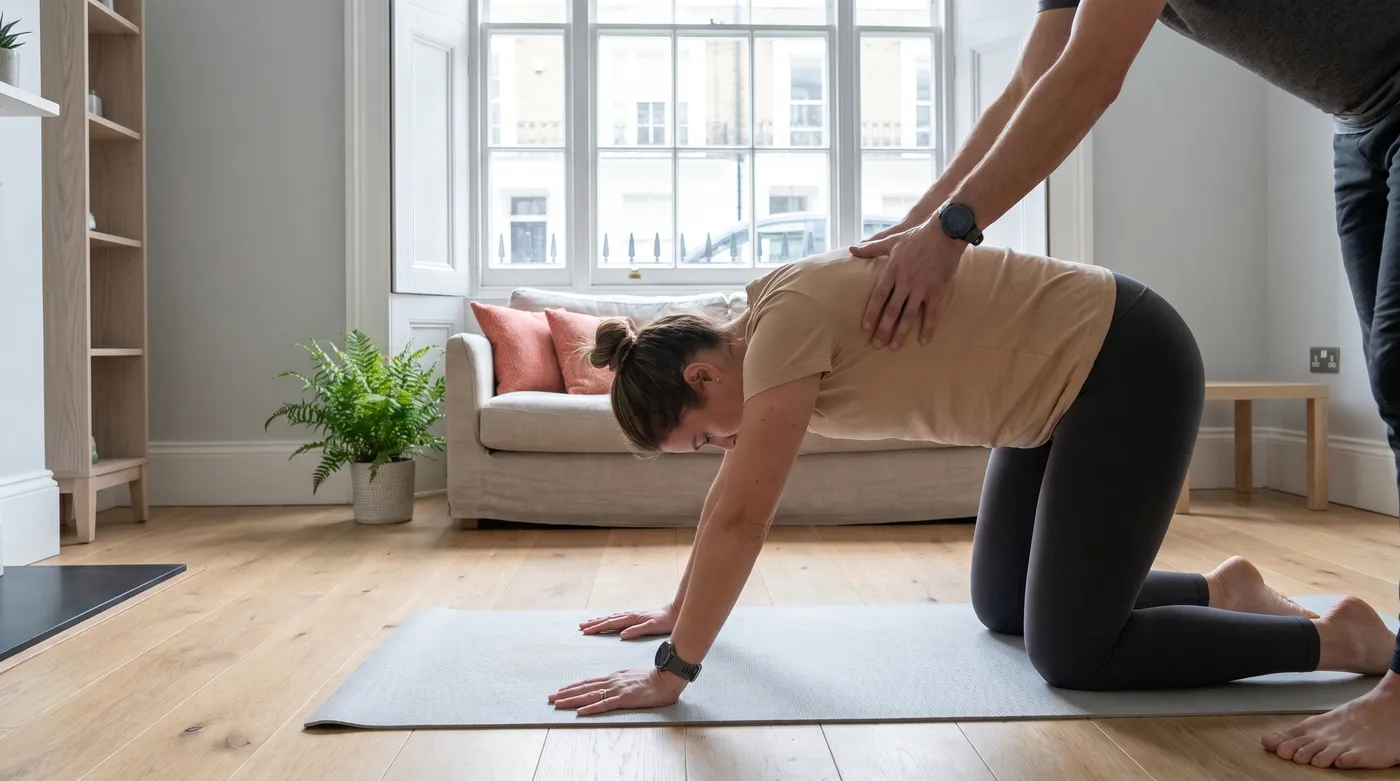
A 2019 study in Depression and Anxiety found that supervised exercise produced significantly greater improvements in depression than unsupervised exercise (Morres et al., 2019). Having someone guide the process matters.
The psychological side
Exercise addresses the biological side of depression and anxiety. It does not, on its own, untangle the cognitive patterns: the negative self-talk, the rumination, the catastrophic thinking, the avoidance.
A 2020 systematic review found that combining physical and psychological approaches produced significantly better outcomes for chronic pain than either alone (Ho et al., 2020), and the same principle of pairing the physical with the psychological runs through much of the mental health evidence.
In practice, people often start moving and feel better quickly. But without also working on the thinking patterns that fed the low mood, the risk of slipping back is high. Movement gives you energy and momentum. The cognitive work is what helps you hold on to it.
How Sway approaches this
Sway is not a mental health service, and it is honest about that. Sway is in-home and online personal training in London, a team of coaches qualified in both Pilates and Strength, with more than 35,000 sessions delivered since 2018. Your coach is qualified in both Pilates and Strength and Conditioning, working with you in your home across London or live online.
What your coach can do is the part the evidence is clearest on: provide the structured, progressive, supervised movement that lifts mood, and adjust it to how you are actually feeling. In a high-stress stretch, that might mean fewer sets, lower intensity, more gentle work. For someone not yet ready for full training, it might start with a walk together, or simple bodyweight movement at home. The aim is momentum first; intensity comes later.
Where talking therapy or clinical care is the right next step, your coach can introduce you to trusted, independent professionals from a vetted referral network, a psychotherapist or counsellor who remains their own practitioner. They handle the mind; your coach keeps the movement steady and supportive alongside it. If you are struggling significantly, please also speak to your GP.
What you can do today
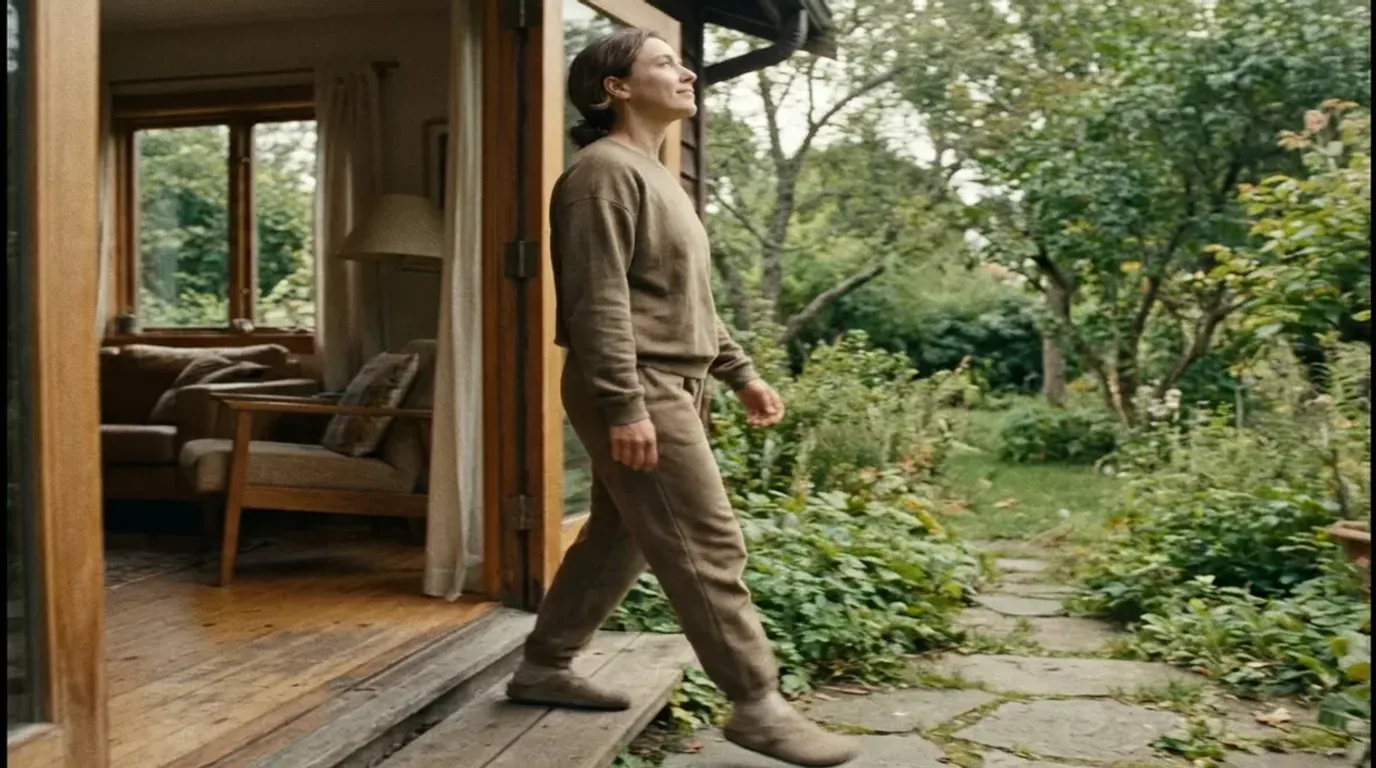
If you are struggling and not currently exercising, start with ten minutes of walking outside. Not the gym. Outside. Natural light combined with gentle movement has measurable effects on mood within a single session.
A 2015 study in the Proceedings of the National Academy of Sciences found that 90 minutes of walking in nature reduced activity in the brain region linked to repetitive negative thinking (Bratman et al., 2015).
Ten minutes. Outside. Today. And when you are ready for something more structured, a free assessment, online or in your home in London, is a calm place to begin.
References
1. Singh B, et al. Effectiveness of physical activity interventions for improving depression, anxiety and distress. BJSM. 2023.
2. Choi KW, et al. Assessment of bidirectional relationships between physical activity and depression. JAMA Psychiatry. 2019.
3. Morres ID, et al. Aerobic exercise for adult patients with major depressive disorder. Depression and Anxiety. 2019.
4. Ho LYW, et al. Psychological interventions for chronic musculoskeletal pain. BJSM. 2020.
5. Bratman GN, et al. Nature experience reduces rumination and subgenual prefrontal cortex activation. PNAS. 2015.
Ready to stop guessing?
Book your assessment and meet your coach