← Back to journal
LIFE8 min read2026-04-14
Is a personal trainer actually worth the money?
Supervised training produces measurably better results than going it alone - and the gap widens as you get older. The real value is one coach who knows your body and keeps you accountable.

Many people think of a personal trainer as a luxury - something for celebrities, athletes or people with money to spare, rather than a sensible investment in their own health.
The research tells a different story. For most adults, and especially as you get older, a good personal trainer is one of the most reliable ways to actually get results from the time you spend exercising.
Key takeaways
1. Supervised exercise produces significantly greater improvements in strength, function and injury prevention than training alone.
2. As you get older, that gap widens - recovery is slower and the margin for error narrows, so good coaching matters more, not less.
3. The value is not someone counting your reps. It is one expert who understands your body, keeps you accountable and adjusts the plan as you respond.
What the evidence says about supervision
A 2017 systematic review in the British Journal of Sports Medicine analysed 12 randomised controlled trials comparing supervised and unsupervised exercise in older adults. Supervised programmes produced significantly greater improvements in balance, muscle strength and functional capacity. The effect was large and consistent across studies (Lacroix et al., 2017).
A meta-analysis in the Journal of Strength and Conditioning Research found that supervised resistance training produced significantly greater strength gains than unsupervised training, with an average difference of 10 to 17 percent across studies (Gentil and Bottaro, 2010).
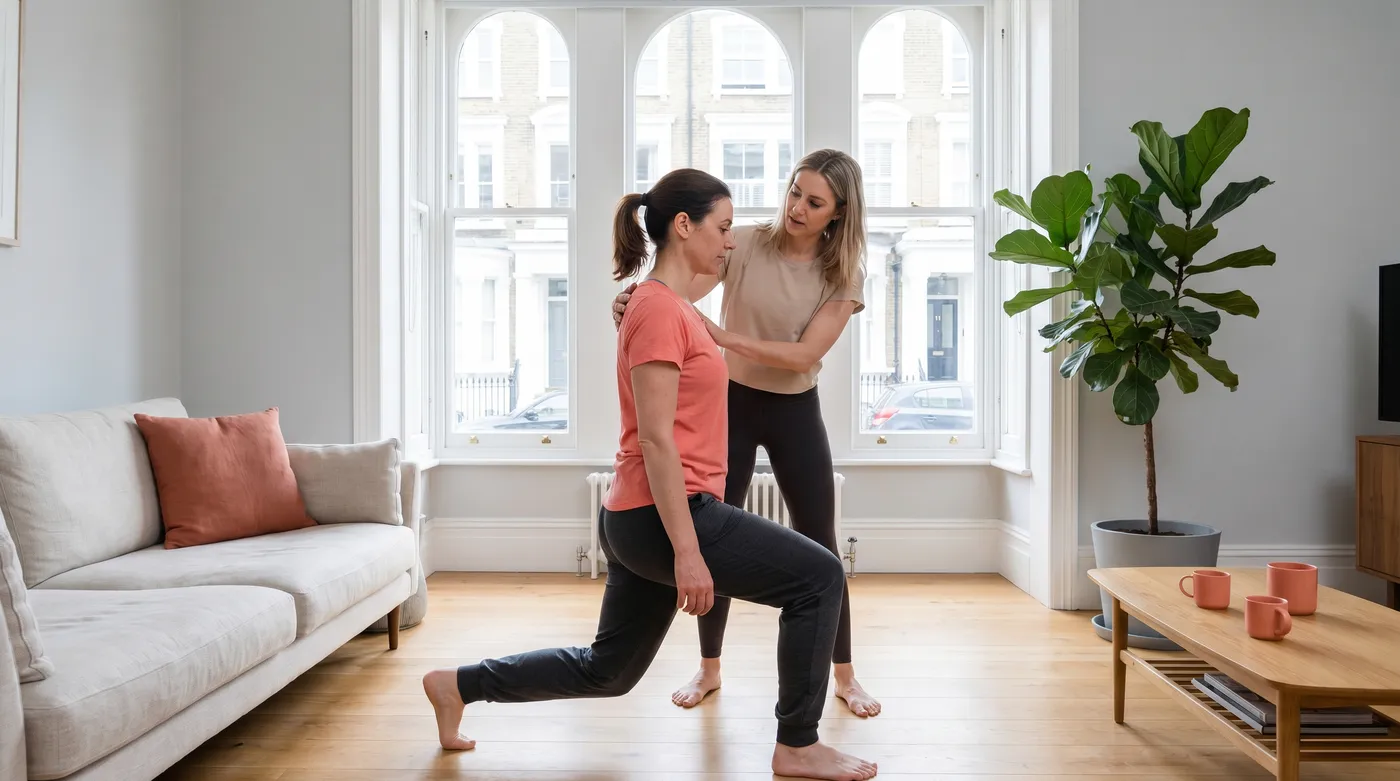
Why? Accountability is part of it - turning up matters. But the larger reason is that a good coach adjusts your programme in real time. They see compensations you cannot feel, progress you at the right pace, and stop you doing too much too soon.
Why this matters more as you get older
Later in life, the consequences of poor training are higher. Recovery is slower, connective tissue is less elastic, and conditions such as osteoarthritis, osteoporosis and spinal degeneration call for specific modifications.
A trainer who does not know about your hip replacement may load the joint incorrectly. A trainer who does not understand osteoporosis may prescribe movements that raise fracture risk rather than reduce it.
A 2019 Cochrane review found that exercise programmes designed for older adults reduced falls by up to 39 percent - but the review noted that the programmes required qualified instruction and individualised progression to be effective (Sherrington et al., 2019).
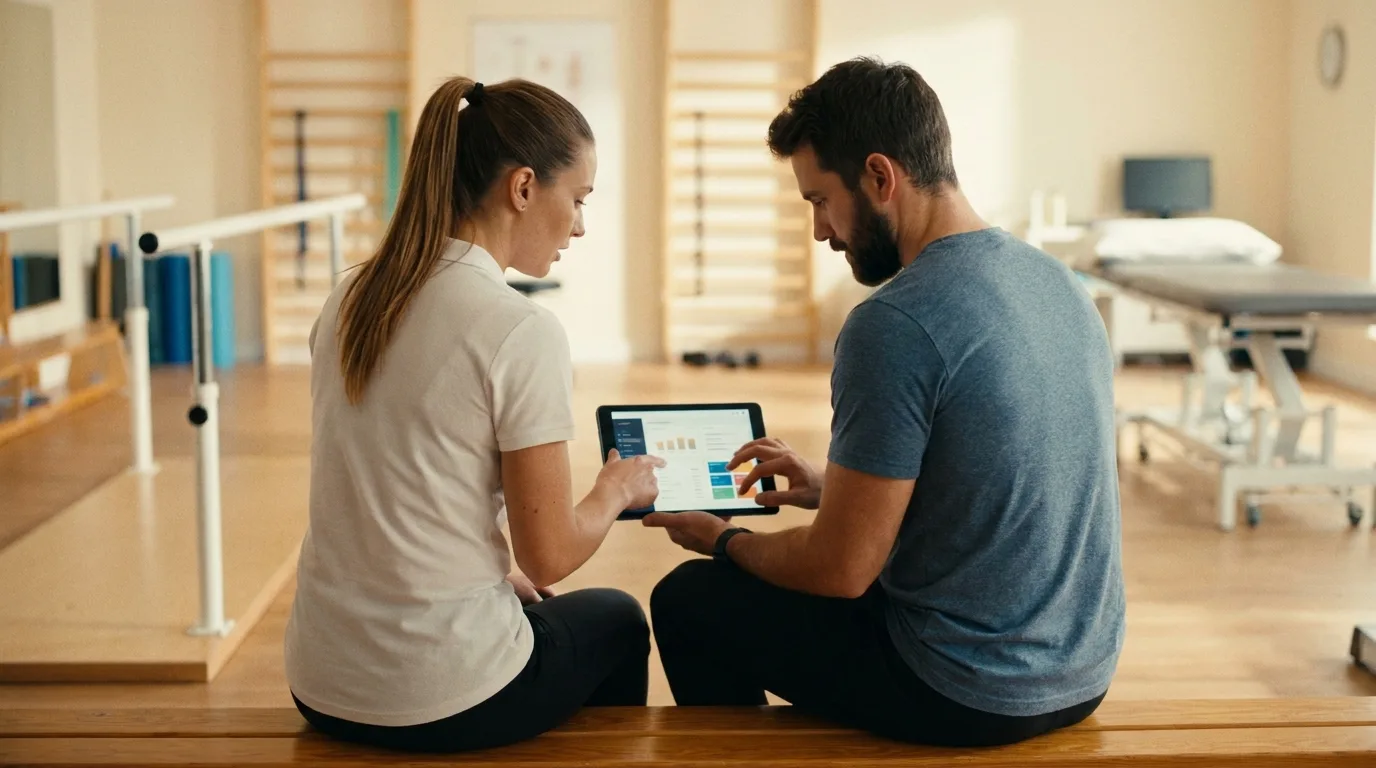
The difference is not just having someone count your reps. It is having someone who understands your body, watches how you move week to week, and adjusts the programme based on how you are actually responding.
The real question: what kind of trainer
Not all personal trainers are the same. Most trainers in the UK are qualified to work with healthy adults between 18 and 40. Far fewer have real experience with older adults, chronic conditions or post-surgical recovery.
What to look for:
Relevant qualifications. A recognised Level 3 or Level 4 qualification, or a degree in sports science or exercise physiology. Ask specifically about experience with older bodies.
Experience with people like you. A coach who has worked with people in their fifties, sixties and seventies for years will recognise the common patterns: reduced shoulder range, knee arthritis, lower-back stiffness, balance deficits.
Breadth of skill. A coach who understands both strength training and movement quality - Pilates-style control, mobility, proprioception - can address the whole picture rather than only one half of it. The strongest results come from combining load with control, and that is easier when one person understands both.
The value of one expert who knows you
A trainer who simply runs you through a generic session has limited value. A coach who actually knows your body solves a different problem.
When your coach knows your shoulder is sensitive on overhead work, they modify the pressing before it flares up. When they can see your protein intake is too low to support muscle growth, they set realistic expectations for the current block and point you towards better fuelling. When recovery is the bottleneck, they change the plan rather than pushing harder.
This is not about surrounding yourself with more practitioners. It is about one expert who holds the full picture and knows when to bring in genuine outside help.
How Sway approaches this
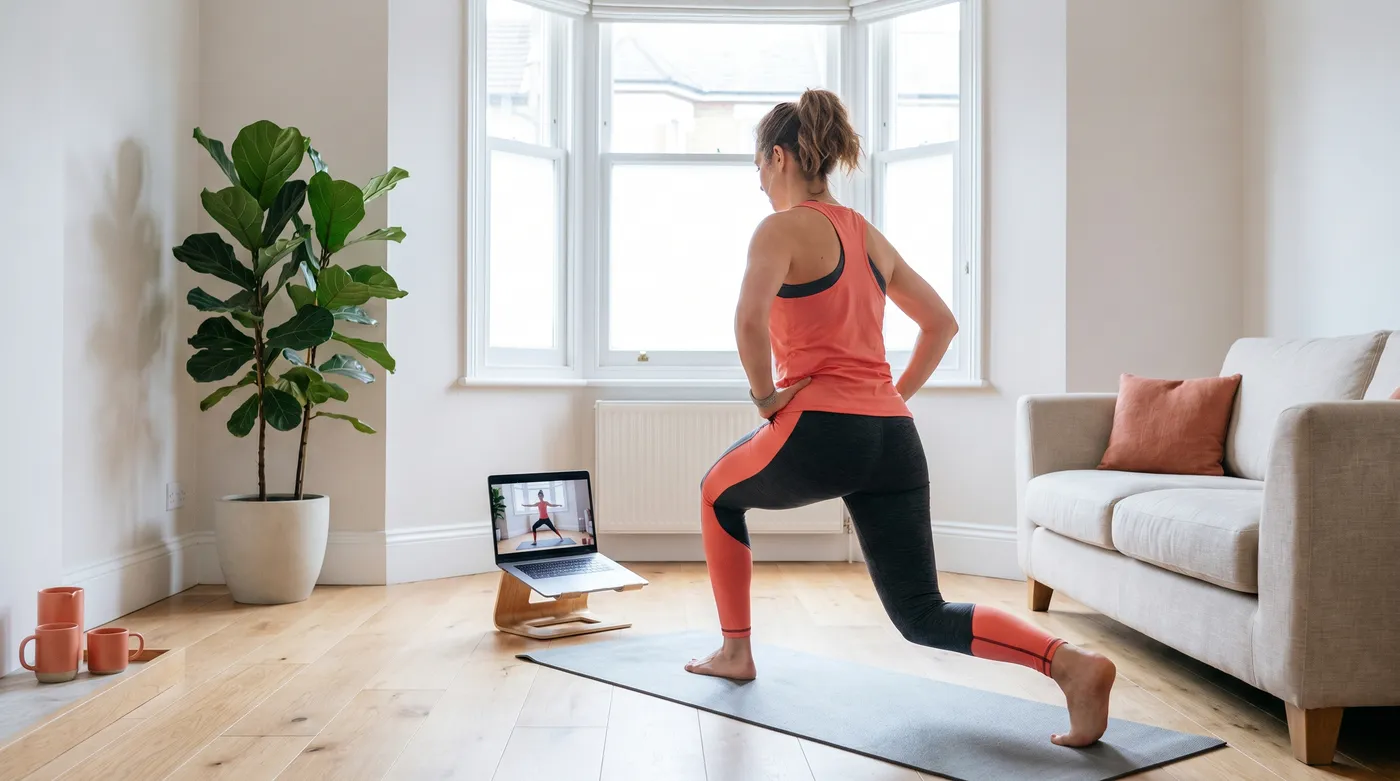
At Sway you work with one dedicated coach, qualified in both Pilates and Strength and Conditioning, who comes to your home across London or trains you live online wherever you are. That single relationship is the point: your coach knows your history, your goals, your good days and your stiff mornings, and keeps you accountable between sessions.
Recovery, nutrition and mental wellbeing matter too, and when they need specialist attention your coach can introduce you to trusted, independent professionals from a vetted referral network - a physiotherapist, a nutritionist, a therapist. They are not Sway staff; they are people we trust, brought in only when they will genuinely help, so you are never left trying to assemble and coordinate a team on your own.
As Sway's head coach, with more than 35,000 sessions delivered since 2018, puts it: the cost of good coaching is real, but the cost of an injury from training badly is always higher - in time, in money and in lost confidence.
What you can do today
If you currently train alone, ask yourself: when did someone qualified last watch you move and give you honest feedback? If the answer is never, or more than a year ago, that is a gap worth closing.
The simplest next step is a free assessment, in your home in London or online. We will watch how you move, talk through your goals, and tell you plainly whether working with a coach is worth it for you.
References
1. Lacroix A, et al. Effects of supervised vs unsupervised training programs on balance and muscle strength in older adults. British Journal of Sports Medicine. 2017.
2. Gentil P, Bottaro M. Influence of supervision ratio on muscle adaptations to resistance training in nontrained subjects. Journal of Strength and Conditioning Research. 2010.
3. Sherrington C, et al. Exercise for preventing falls in older people living in the community. Cochrane Database of Systematic Reviews. 2019.
Ready to stop guessing?
Book your assessment and meet your coach